
Coins Are Placed on the Graves of Former Soldiers
Coins Are Placed on the Graves of Former Soldiers
Coins Are Placed on the Graves of Former Soldiers. If you ever go to a cemetery, you will most likely see coins on top of some gravestones. But has anyone ever explained to you why people leave coins and what they mean?
Where did the tradition of leaving coins on a gravestone originate?
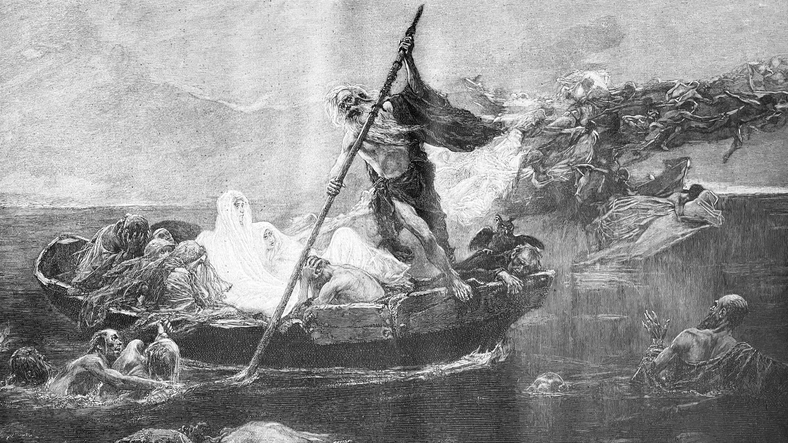
The tradition of leaving coins on gravestones has been around for centuries. It is believed to have originated in ancient Greece, where mourners left a coin to ensure the deceased’s safe passage into the afterlife. Back then, coins were placed on the eyes of the deceased as a payment for the ferryman of the river Styx, who was thought to transport souls from the world of the living to the afterlife.
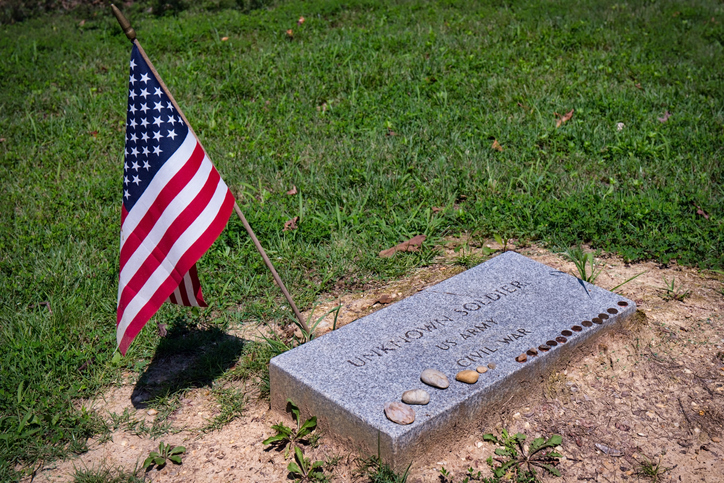
In the United States, coins are placed on the graves of former soldiers to show appreciation for their service
Military families often leave coins on the graves of deceased soldiers to signify that they have visited the grave and to show their gratitude for the service that the deceased rendered.
The significance of placing a stick flag and a grave marker on a veteran’s grave
Placing a small American flag on a veteran’s grave is a time-honored gesture of respect and remembrance. It serves as a visible sign that the sacrifices made by the servicemember are neither forgotten nor taken for granted. The flag stands as a symbol of honor, patriotism, and gratitude, especially during occasions like Memorial Day and Veterans Day.
Adding a grave marker, such as those provided by the Department of Veterans Affairs or local veterans’ organizations, further commemorates the individual’s commitment and service. These markers often include details like rank, branch of service, and years served, offering a lasting tribute that future generations can recognize and reflect upon.
Together, the simple act of placing a flag and a proper marker not only celebrates the life and service of the veteran but also helps pass down the legacy of their duty and sacrifice to anyone who visits the gravesite.

The different denominations of the coins have a significant meaning.
- A penny signifies that the visitor and the deceased trained together;
- A nickel means that they had attended military school together;
- A dime signifies that they served together but were not in the same company; and
- A quarter signifies that the visitor was present when the deceased was killed.
The coins you see on top of a gravestone have a deeper meaning than just random objects placed on them.
It is part of a long-standing tradition and deeply rooted belief that the deceased should be respected and that their offerings should remain undisturbed to avoid bad luck or misfortune.
What Happens to the Coins Left on Military Graves?
So, what becomes of all those coins you spot on the headstones of servicemen and women? Typically, cemetery staff gather them on a regular basis. But rest assured—they don’t go to waste. Instead, these coins play a meaningful role in supporting the cemetery and those connected to it.
Often, the funds are put toward:
- Maintaining the cemetery grounds and preserving the dignity of the site
- Assisting with burial expenses for veterans and their families
- Supporting programs for soldiers and veterans in need
It’s a small gesture that carries on the spirit of service, literally helping care for both the resting place and the community those soldiers leave behind.
If you plan to visit a cemetery, be aware of this tradition to avoid disrespecting those buried there.
Other Meaningful Ways to Honor Deceased Veterans
While leaving coins is a powerful gesture, there are a variety of thoughtful ways to pay tribute to veterans who have passed.
Display a Burial Flag
One longstanding tradition is to display a burial flag in memory of a veteran. The U.S. Department of Veterans Affairs offers a free burial flag to the next of kin of eligible veterans. Proudly placing this folded flag in a display case at home serves as an enduring tribute to their bravery and service. Some families may choose to purchase their own burial flag as a heartfelt keepsake.
Place Stick Flags and Grave Markers
Visiting a grave and placing a small American flag, especially around national holidays like Memorial Day or Veterans Day, is another time-honored practice. These stick flags, often paired with enduring grave markers, create a visual tribute and show that the sacrifices of the deceased have not been forgotten.
Support Veteran Organizations
If you wish to extend your gratitude beyond graveside traditions, consider supporting charities devoted to veterans. Groups such as Honor and Remember, Wounded Warrior Project, and Fisher House Foundation provide essential resources, including memorials, assistance for families, and recognition for fallen service members. Purchasing a commemorative flag from these organizations, or making a donation, helps sustain their mission and honors the legacy of those who served.
Participate in Local Memorial Events
Attending community ceremonies or helping to place wreaths at veterans’ graves are powerful ways to ensure their memory lives on. Many towns host annual events—sometimes coordinated by groups like Wreaths Across America—that invite volunteers to pay homage in person.
Each of these acts, whether big or small, reinforces our collective appreciation and ensures that the stories and sacrifices of veterans endure for generations to come.
If you plan to visit a cemetery, be aware of this tradition to avoid disrespecting those buried there.
So, “If you see a penny, pick it up, and you’ll have good luck all day. But leave it on a grave, lest misfortune come your way.”